World
Trump's Media Ban: CNN, MSNBC, Politico Barred from White House
President Trump bans major media outlets from the White House, citing unfavorable coverage, sparking press freedom concerns.
١٨ سبتمبر ٢٠٢٦

Pakistan's petroleum price surge has triggered widespread protests, exposing deep economic vulnerabilities.
Pakistan is engulfed in widespread protests following a sudden surge in petroleum prices, with citizens demanding immediate government intervention. The recent price hike has sent shockwaves through the economy, affecting everything from transportation costs to essential goods.
On September 15, 2026, the government announced a 40% increase in petroleum prices, citing global market fluctuations and the need to stabilize the economy. This decision came just weeks after the International Monetary Fund (IMF) approved a $6 billion bailout package for Pakistan, conditional on stringent economic reforms.
The move has been met with fierce resistance from the public. In Karachi, thousands of protesters blocked major highways, chanting slogans against the government. Similar scenes unfolded in Lahore, Islamabad, and Peshawar, where commuters faced severe disruptions due to road blockades.
“The government has turned a deaf ear to our plight,” said Muhammad Ali, a taxi driver in Lahore. “With fuel prices skyrocketing, I can barely make ends meet. How are we supposed to survive?”
This is not the first time Pakistan has faced economic turmoil due to petroleum price hikes. In 2008, a similar increase led to nationwide strikes and protests, forcing the government to partially roll back the decision. However, the current crisis is exacerbated by a weakened rupee, soaring inflation, and a widening trade deficit.
Economists argue that the government’s reliance on imported petroleum has made the country vulnerable to global price shocks. Despite repeated calls for diversifying energy sources, Pakistan remains heavily dependent on fossil fuels, with over 80% of its energy needs met through imports.
The price hike has created a stark divide between beneficiaries and victims. Oil and gas companies stand to gain significantly, with their profits expected to rise by 25% in the next quarter. However, small businesses, farmers, and daily wage workers are bearing the brunt of the crisis.
Farmers in Punjab, the country’s agricultural heartland, are struggling to afford diesel for irrigation pumps. “Our crops are at stake,” said Ghulam Farid, a wheat farmer in Faisalabad. “If this continues, we’ll be forced to abandon our fields.”
Urban households are also feeling the pinch. The cost of basic commodities like bread, milk, and vegetables has surged, pushing millions into poverty. According to the Pakistan Bureau of Statistics, the inflation rate has reached a decade-high of 18%.
Pakistan’s crisis mirrors a global trend of rising energy prices, driven by geopolitical tensions and supply chain disruptions. However, the country’s fragile economy makes it particularly susceptible to such shocks.
The government’s response has been criticized as inadequate. While Prime Minister Imran Khan has promised subsidies for low-income families, many doubt the effectiveness of these measures. “Subsidies are a temporary fix,” said economist Dr. Ayesha Siddiqui. “We need long-term solutions, such as investing in renewable energy and reducing our reliance on imports.”
For the average Pakistani, the price hike translates to higher living costs and reduced purchasing power. Public transport fares have increased by 30%, making daily commutes unaffordable for many. Schools and hospitals are also feeling the strain, with some institutions threatening to close due to rising operational costs.
The protests show no signs of abating, with trade unions and civil society groups calling for a nationwide strike on October 1. As the government grapples with the crisis, the future remains uncertain for millions of Pakistanis.
The government cited global market fluctuations and economic stabilization as reasons for the 40% increase in petroleum prices.
The hike has led to higher living costs, with increased transportation fares and soaring prices of essential goods, pushing millions into poverty.
Economists suggest investing in renewable energy and reducing reliance on imported petroleum to mitigate future economic shocks.
GuruAlpha News Desk
The GuruAlpha News team delivers accurate, timely coverage of breaking news, markets, technology, and lifestyle — in English and Urdu.
President Trump bans major media outlets from the White House, citing unfavorable coverage, sparking press freedom concerns.
١٨ سبتمبر ٢٠٢٦
A salmon boom in Alaska's Katmai National Park has led to the biggest Fat Bear Week ever, with 16 competitors vying for the title.
١٨ سبتمبر ٢٠٢٦
Lawsuits accuse the Trump administration of voter intimidation by suggesting federal officers could monitor polling sites.
١٨ سبتمبر ٢٠٢٦
The Bank of Japan raised its benchmark interest rate to 1.25% to curb persistent inflation driven by global conflicts and energy prices.
١٨ سبتمبر ٢٠٢٦
Los Angeles prosecutors charged a drug-impaired driver with murder after her SUV blew a red light and crushed a city bus, killing two.
١٨ سبتمبر ٢٠٢٦
South Korean President Lee Jae Myung publicly rejected US demands to send troops to the Middle East, citing energy security and regional defense priorities.
١٨ سبتمبر ٢٠٢٦
Automattic, the company behind WordPress, has named Jeremy Klaperman as interim CFO following recent executive departures.
١٨ سبتمبر ٢٠٢٦
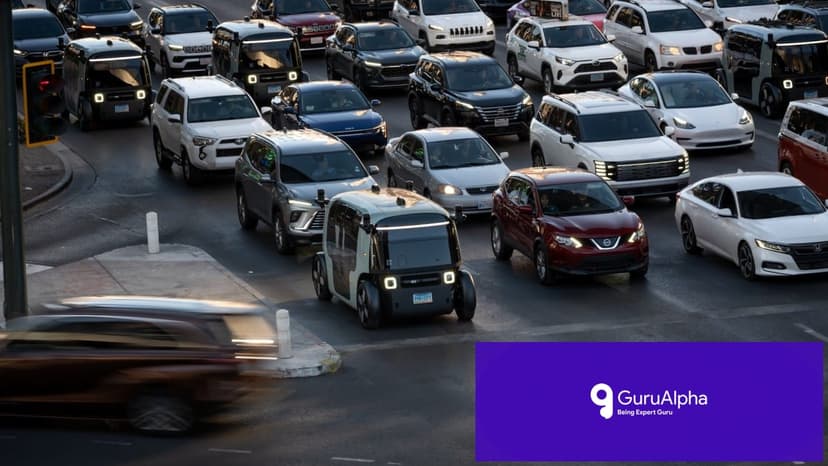
Amazon's Zoox is set to expand its robotaxi fleet beyond 100 vehicles in Nevada, marking a significant shift in autonomous transportation.
١٨ سبتمبر ٢٠٢٦